Dukkah Explained: Your Guide to the Essential Egyptian Blend
Step into the vibrant world of Middle Eastern cuisine, and you'll soon encounter a truly captivating creation:
dukkah. This extraordinary Egyptian nut and spice blend is far more than just a condiment; it's an experience, a textural revelation, and a flavor enhancer that promises to transform even the simplest of dishes. If you've ever sought that elusive "something extra" to elevate your meals, prepare to be introduced to your new kitchen staple.
What is Dukkah? Unpacking This Ancient Egyptian Condiment
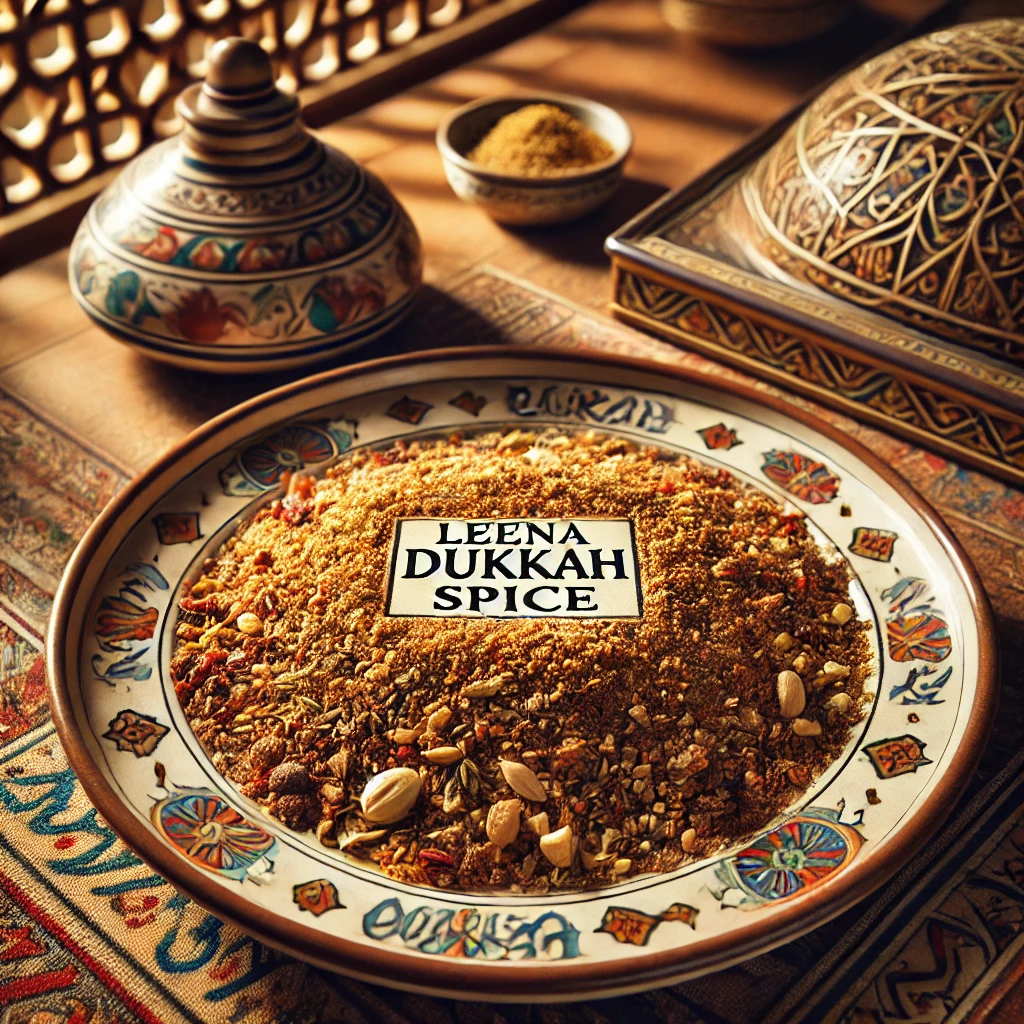
At its heart, dukkah is an aromatic, crunchy blend of toasted nuts, seeds, and spices, coarsely ground to retain its distinctive texture. Originating from Egypt, its name, pronounced "doo-kah," comes directly from the Arabic word "daqqa," meaning "to pound" or "to crush." This etymology speaks volumes about its preparation method and the rustic, handmade quality that defines it.
Far from being a fleeting trend, dukkah is an integral part of everyday Egyptian culinary life. It’s a versatile condiment that has been enjoyed for centuries, adding depth, warmth, and an irresistible crunch to a myriad of dishes. While often transliterated as "duqqa" or "du'ah," its essence remains the same: a powerful combination of earthy, nutty, and subtly spicy notes that awaken the palate. Unlike smooth pastes or fine powders, dukkah is celebrated for its glorious texture – a blend that's robust enough to provide substance, yet delicate enough to complement rather than overpower. Its magic lies in this duality, offering both a satisfying crunch and a burst of complex flavors in every bite.
A Symphony of Flavors: The Essential Components of Dukkah
One of the most remarkable aspects of
dukkah is its incredible adaptability. While there's a traditional core, there's no single definitive recipe, making each blend a unique expression of the maker. This is why, as any Egyptian cook or spice vendor will tell you, "no two are quite alike." The beauty lies in the ability to experiment and tailor it to your personal preference, balancing richness, warmth, and herbaceous notes.
The foundation of dukkah typically includes a careful selection of:
- Nuts: Common choices include blanched hazelnuts, pine nuts, almonds, pistachios, or walnuts. Hazelnuts, with their deep, earthy flavor, are a frequent favorite, providing a robust base.
- Seeds: Coriander seeds and cumin seeds are almost universally present, providing warm, citrusy, and earthy notes. White and black sesame seeds add a delicate crunch and nutty undertone. Some recipes incorporate nigella seeds for a distinct, slightly oniony depth that many find adds an extra layer of complexity.
- Spices & Herbs: Dried oregano is a common herbaceous inclusion, offering a Mediterranean aroma. Paprika can be added for a subtle sweetness and color, while a pinch of salt is essential for seasoning. Beyond these, you might find variations including mint, marjoram, za’atar, or a hint of black pepper to fine-tune the aromatic profile.
The secret to unlocking dukkah's full potential lies in the careful toasting of its ingredients. Toasting nuts and seeds over medium heat for a few minutes releases their essential oils, intensifying their aromas and deepening their flavors, creating a more complex and satisfying blend. Once toasted, these components are then coarsely ground, traditionally using a mortar and pestle, or more conveniently, a food processor or spice grinder. The goal is to achieve a texture that is rustic and textured, rather than a fine powder. Whether you prefer a coarser blend with distinct nut pieces or a slightly more powdery consistency, experimenting with these variables is key to finding your ideal homemade dukkah.
Beyond the Basics: Culinary Uses and Creative Pairings for Dukkah
The true genius of
dukkah lies in its unparalleled versatility. Once you have a jar of this golden, crunchy blend in your kitchen, you’ll find yourself reaching for it constantly, discovering new ways to elevate everyday dishes into something truly special. It's not just a garnish; it's a flavor multiplier that transforms the ordinary into the extraordinary.
Traditionally, dukkah is served as a simple yet profoundly satisfying snack: a piece of crusty bread dipped first in high-quality olive oil, then pressed into a bowl of the blend, allowing the nuts and spices to cling to the oil-soaked bread. This classic method is a testament to its humble origins and robust flavor.
However, modern culinary figures like Chef Yotam Ottolenghi have championed its incredible adaptability, scattering it over everything from:
- Pan-fried whitefish: Adding a delicate crunch and aromatic finish.
- Scrambled eggs: Elevating a breakfast staple with surprising depth.
- Grilled or roasted vegetables: Infusing charred broccoli, sweet potatoes, or asparagus with a nutty, savory crust.
- Fresh salads: Providing texture and a burst of flavor in lieu of traditional croutons.
- Labneh yogurt dip: Turning a simple, creamy dip into an exotic appetizer.
But the possibilities don't stop there. Think beyond the obvious:
- Sprinkle it generously over creamy hummus or baba ghanoush.
- Use it as a crunchy topping for soups or stews.
- Mix it into breading for chicken or fish for a Middle Eastern twist.
- Stir it into warm grains like quinoa or couscous for added texture and flavor.
- Combine with avocado toast for a gourmet breakfast.
- Even sprinkle it over popcorn for an unexpected, savory snack!
Dukkah has earned its reputation as a "fridge-door staple" because it effortlessly transforms a simple meal into something memorable. Its ability to add crunch, warmth, and an exotic touch makes it an indispensable ingredient for home cooks looking to infuse their cooking with vibrant flavors. To discover more creative ways to incorporate this blend into your daily cooking, explore our article on
Transform Meals: The Many Uses of Egyptian Dukkah.
Crafting Your Own Dukkah: A Step-by-Step Guide and Customization Tips
While commercially available
dukkah can be excellent, there’s immense satisfaction in crafting your own. Making it at home allows you to control the freshness of ingredients, the balance of flavors, and the desired coarseness, resulting in a blend that truly reflects your taste. Plus, it's surprisingly quick, often taking less than 30 minutes from start to jar.
Here's a general framework for making your own dukkah, drawing inspiration from traditional methods and renowned recipes:
- Gather Your Ingredients: Start with your chosen nuts (e.g., blanched hazelnuts, pine nuts), seeds (coriander, cumin, sesame), and dried herbs/spices (oregano, paprika, salt). Remember, exact proportions can vary, so feel free to adjust based on what you have on hand. For instance, if pine nuts aren't available, blanched almonds make a wonderful substitute. No oregano? Thyme works beautifully.
- Toast the Seeds: In a dry, small saucepan over medium heat, toast the coriander, cumin, and sesame seeds. Shake the pan frequently to prevent burning. They're ready when they become fragrant, typically within 2-3 minutes. Remove immediately to a bowl to cool.
- Toast the Nuts: Separately, if desired, toast your hazelnuts and pine nuts in the same pan or oven until lightly golden and aromatic. This step is crucial for deepening their flavor.
- Combine and Grind: Once cooled, add the toasted seeds, nuts, dried herbs, paprika, and salt to a food processor or a mortar and pestle. Pulse a few times if using a food processor, or grind steadily with a mortar and pestle, until the nuts and seeds are roughly chopped and the mixture has a coarse, textured consistency. Avoid over-processing, as you want texture, not a fine powder or a paste.
- Taste and Adjust: This is the fun part! Taste your fresh dukkah. Does it need more salt? A pinch more paprika for warmth? Perhaps a touch of black pepper for a subtle kick? Adjust to your liking.
- Store Properly: Transfer your homemade dukkah to an airtight container. It keeps wonderfully at room temperature for several weeks, or even longer in the refrigerator (up to a few months), maintaining its freshness and vibrant flavors.
The joy of making dukkah lies in this creative process. It's a forgiving blend, allowing for personal expression while still delivering an authentic taste. For a detailed, step-by-step recipe and further inspiration on spice variations, refer to our comprehensive guide:
Make Your Own Dukkah: Authentic Recipe & Spice Variations.
Conclusion
Dukkah is more than just a blend of nuts and spices; it's a culinary journey, an ancient tradition, and a modern kitchen essential. Its unique crunch, aromatic depth, and incredible versatility make it a transformative ingredient capable of elevating everything from simple breakfasts to sophisticated dinners. Whether you buy it or craft your own personalized blend, integrating
dukkah into your cooking is an invitation to explore a world of vibrant flavors and textures that will undoubtedly inspire and delight your palate. So, dive in, experiment, and discover why this humble Egyptian condiment has captivated food lovers worldwide for centuries.