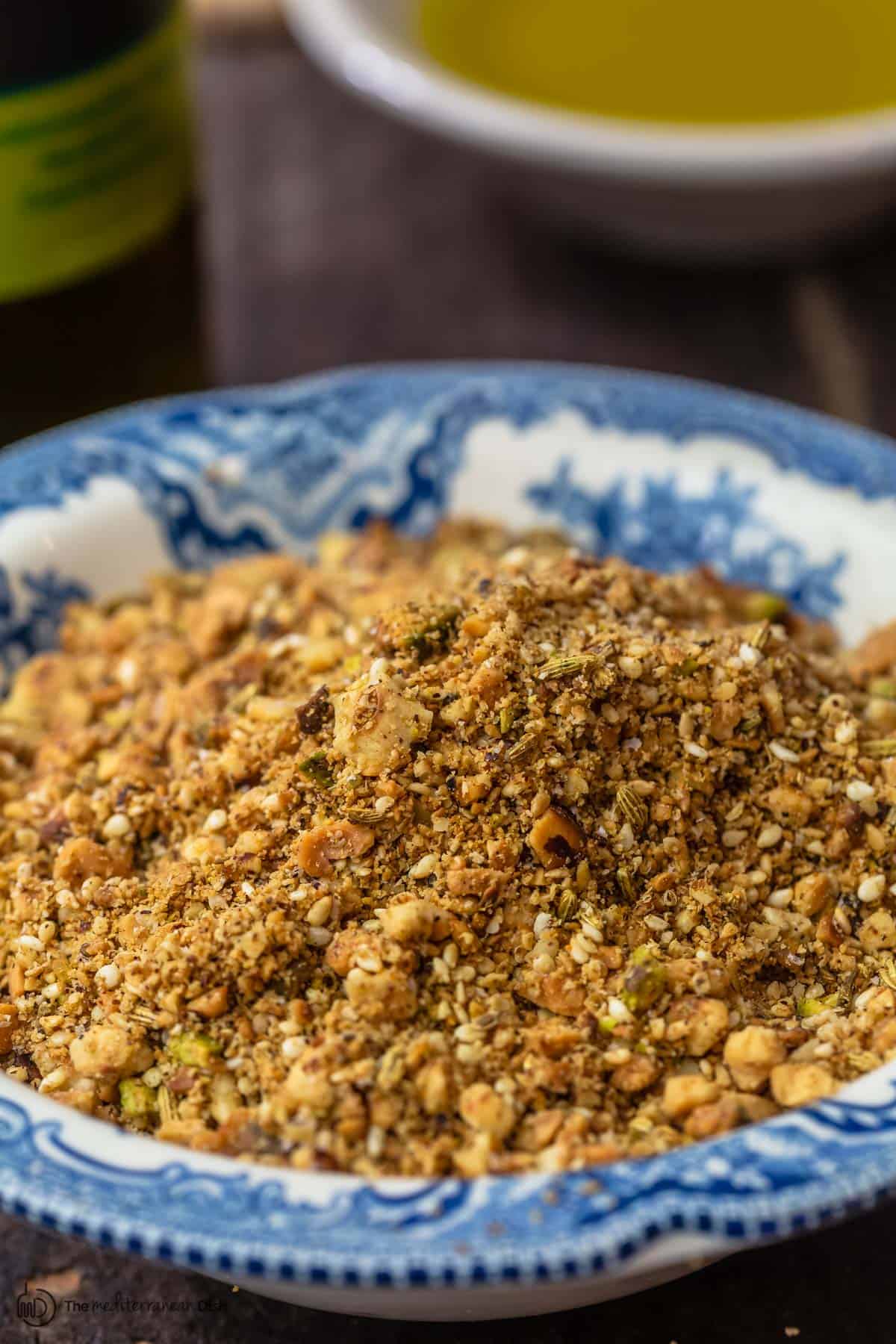
Make Your Own Dukkah: An Authentic Recipe & Spice Variations for a World of Flavor
Imagine a simple sprinkle that transforms everyday dishes into something extraordinary. That's the magic of
dukkah, an aromatic, crunchy nut and spice blend from Egypt. More than just a condiment, it's a culinary secret weapon, revered by chefs like Yotam Ottolenghi and beloved in kitchens worldwide for its ability to add depth, texture, and an irresistible savory note to almost any meal. While you can certainly find dukkah pre-made, crafting your own at home unlocks a world of fresh flavors and endless customization possibilities. Get ready to awaken your senses and discover the profound satisfaction of making your very own batch of this Egyptian treasure.
What Exactly is Dukkah? A Culinary Gem from Egypt
At its heart,
dukkah (pronounced *doo-kah*) is a traditional Egyptian blend of toasted nuts, seeds, and spices, coarsely ground to create a captivating medley of textures and aromas. The name itself, derived from the Arabic word "daqq" or "dukk" meaning "to pound" or "to crush," hints at the traditional method of its creation using a mortar and pestle.
In Egypt, dukkah is an everyday staple, often enjoyed simply by dipping a piece of fresh bread into olive oil, then pressing it into a bowl of the crunchy blend. It’s a testament to its versatility that this ancient condiment has transcended borders, becoming a cherished ingredient in modern Middle Eastern cuisine globally. Chefs and home cooks alike rely on its unique profile to elevate everything from humble scrambled eggs to gourmet fish dishes. For a deeper dive into its origins and cultural significance, explore
Dukkah Explained: Your Guide to the Essential Egyptian Blend.
What makes dukkah so special is its dynamic contrast: the earthy warmth of toasted spices, the rich nuttiness, and the satisfying crunch. While the core concept remains consistent, the specific ingredients and proportions can vary widely. Every family, every spice vendor in Egypt, and indeed every chef who embraces it, seems to have their own nuanced version, making it a truly personal condiment. This inherent adaptability is precisely what makes homemade dukkah so exciting.
Why Make Your Own Dukkah? The Homemade Advantage
While convenience is appealing, there are compelling reasons to take the extra step and make your own
dukkah from scratch:
- Unmatched Freshness and Flavor: Store-bought versions, though good, often can't compete with the vibrant taste of freshly toasted and ground nuts and spices. Toasting ingredients just before grinding releases their essential oils, intensifying their aromas and flavors for a truly superior blend.
- Complete Customization: This is arguably the biggest advantage. You control every ingredient. Love hazelnuts? Go heavy on them. Crave a hint of heat? Add a pinch of chili flakes. Allergic to pine nuts? Easily swap them for almonds. Making your own means tailoring the blend perfectly to your palate and dietary needs.
- Cost-Effectiveness: While the initial purchase of individual spices might seem like an investment, homemade dukkah often proves more economical in the long run, especially if you regularly use the constituent ingredients in other cooking.
- Quality Control: You choose the quality of your nuts, seeds, and spices. Opt for organic, fresh, and ethically sourced ingredients to ensure the best possible flavor and nutritional value.
- The Joy of Creation: There’s a distinct satisfaction in creating a delicious, versatile condiment from raw ingredients. It connects you to the culinary traditions behind it and adds a personal touch to your cooking.
- Long-Lasting Freshness: A homemade batch, stored properly, can be a fridge-door staple for months, always ready to transform your meals with minimal effort.
Crafting Your Own Dukkah: An Authentic Recipe & The Art of Variation
Creating your own
dukkah is a straightforward process that yields incredibly rewarding results. We'll start with a foundational recipe, inspired by popular renditions, and then delve into how you can make it uniquely your own.
The Core Dukkah Recipe
This recipe makes approximately 1/2 cup of fragrant, crunchy dukkah – a perfect starting point for your culinary adventures.
Equipment:
- Small saucepan
- Mortar and pestle OR spice grinder / small food processor
- Airtight container for storage
Ingredients:
- 2 tablespoons coriander seeds
- 1 teaspoon cumin seeds
- 1½ tablespoons black and white sesame seeds (can use all one color if preferred)
- 30g blanched hazelnuts, toasted
- 30g pine nuts, toasted
- 1 teaspoon dried oregano
- ½ teaspoon paprika (smoked paprika can add an extra dimension)
- ¼ teaspoon fine sea salt (or to taste)
**Note on Toasted Nuts:** If your hazelnuts and pine nuts are not already toasted, spread them on a baking sheet and toast in a preheated oven at 325°F (160°C) for 5-10 minutes, or gently in a dry skillet over medium heat, shaking frequently, until fragrant and lightly golden. Be careful not to burn them, as this can make them bitter. Allow to cool completely before using.
Step-by-Step Instructions:
- Toast Whole Spices: In a small, dry saucepan set over medium heat, combine the coriander seeds, cumin seeds, and sesame seeds. Toast them, shaking the pan occasionally, for 2 to 3 minutes, or until they become wonderfully fragrant. Keep a close eye on them to prevent burning. Immediately remove from heat and transfer to a plate to cool slightly.
- Combine and Grind: Once the toasted spices have cooled, transfer them to your chosen grinding tool (mortar and pestle or spice grinder/food processor). Add the toasted hazelnuts, toasted pine nuts, dried oregano, paprika, and salt.
- Pulse to Perfection: If using a food processor or spice grinder, pulse a few times until the nuts and seeds are roughly chopped. The goal is a coarse, crumbly texture – not a fine powder. You want distinct pieces that offer a satisfying crunch. If using a mortar and pestle, pound and grind until you achieve the desired coarse consistency.
- Taste and Adjust: Give your dukkah a quick taste. Does it need a touch more salt? A bit more paprika? Adjust according to your preference.
- Store: Transfer your freshly made dukkah to an airtight container.
Embracing Variations: Your Dukkah, Your Rules
The beauty of
dukkah lies in its adaptability. Don’t be afraid to experiment! The sum of the parts doesn't need to be exact; focus on similar general ingredients and proportions, and let your imagination guide you.
- Nut Substitutions: If you don't have pine nuts or hazelnuts, try blanched almonds, walnuts, pistachios, or even cashews. Each nut will lend a slightly different flavor and richness. Pistachios, for instance, offer a beautiful green hue and a distinct, slightly sweeter taste.
- Seed Swaps & Additions: Beyond sesame, consider adding nigella seeds for a unique oniony, slightly bitter depth (a favorite in some regional variations), or a touch of pumpkin seeds or sunflower seeds for extra crunch and nutrition. A tiny pinch of fennel seeds can also add a subtle anise note.
- Spice Expansions: Introduce a grind of black pepper for a warm kick. Sumac can add a lovely tartness, while a pinch of za’atar (a blend itself!) will layer on even more Middle Eastern flavor. For a bolder heat, a tiny amount of dried chili flakes works wonders.
- Herb Enhancements: If dried oregano isn't your only option, experiment with dried thyme, marjoram, or even a small amount of dried mint for a refreshing twist.
- Texture Play: Some dukkahs are indeed quite powdery, while others, like the version we've made, are more coarse. If you prefer a finer texture, simply process or pound for longer. However, the coarse grind is often preferred for its satisfying mouthfeel.
Remember, the goal is to find *your* perfect version of
dukkah. Don't be afraid to mix and match, tasting as you go, until you achieve a blend that truly sings to your palate.
Serving Suggestions & Storage for Your Homemade Dukkah
Once you’ve made your batch of flavorful
dukkah, you’ll quickly find yourself reaching for it constantly. Its versatility is truly astounding!
How to Enjoy Your Dukkah:
- The Classic Egyptian Way: Serve it in a small bowl alongside good quality extra virgin olive oil and warm pita bread or a crusty baguette. Dip the bread in the oil, then press it into the dukkah to coat. Simple perfection.
- Breakfast Booster: Sprinkle generously over scrambled eggs, avocado toast, or soft-boiled eggs. It also makes a fantastic topping for labneh (strained yogurt) or plain Greek yogurt, perhaps with a drizzle of honey.
- Salad Enhancer: Add crunch and a burst of flavor to any green salad, grain bowl, or roasted vegetable salad.
- Vegetable Transformer: Toss roasted vegetables (think broccoli, cauliflower, sweet potatoes, carrots) with olive oil and then sprinkle with dukkah for an instant upgrade. It’s also excellent on grilled asparagus or zucchini.
- Protein Power-Up: Use it as a crust for pan-fried whitefish, chicken, or lamb. Simply press it onto the protein before cooking. It's also delicious sprinkled over grilled halloumi.
- Dip Dynamo: Elevate your hummus or other savory dips with a generous sprinkle of dukkah and a swirl of olive oil.
- Creative Combos: Think beyond savory! A tiny sprinkle over a fruit salad with yogurt can offer an unexpected delightful crunch, or try it on a cheese board.
For more inspiring ideas on how to incorporate this incredible blend into your daily cooking, be sure to read
Transform Meals: The Many Uses of Egyptian Dukkah.
Storage Tips:
Store your homemade
dukkah in an airtight container at room temperature for several weeks. To extend its freshness significantly and prevent the nuts and seeds from going rancid, especially in warmer climates or if your blend is very nut-heavy, store it in the refrigerator for several months. For even longer preservation, it can be frozen for up to six months; just ensure it's in a freezer-safe, airtight container.
Conclusion
Making your own
dukkah is a journey into the heart of Egyptian culinary tradition, offering not just a condiment, but a versatile flavor enhancer that will transform your kitchen. From the satisfying process of toasting and grinding to the joy of customizing your perfect blend, homemade dukkah is a testament to the idea that the simplest ingredients, handled with care, can yield the most extraordinary results. So gather your spices, choose your nuts, and start pounding – or pulsing – your way to a staple that promises to elevate nearly every dish you create.